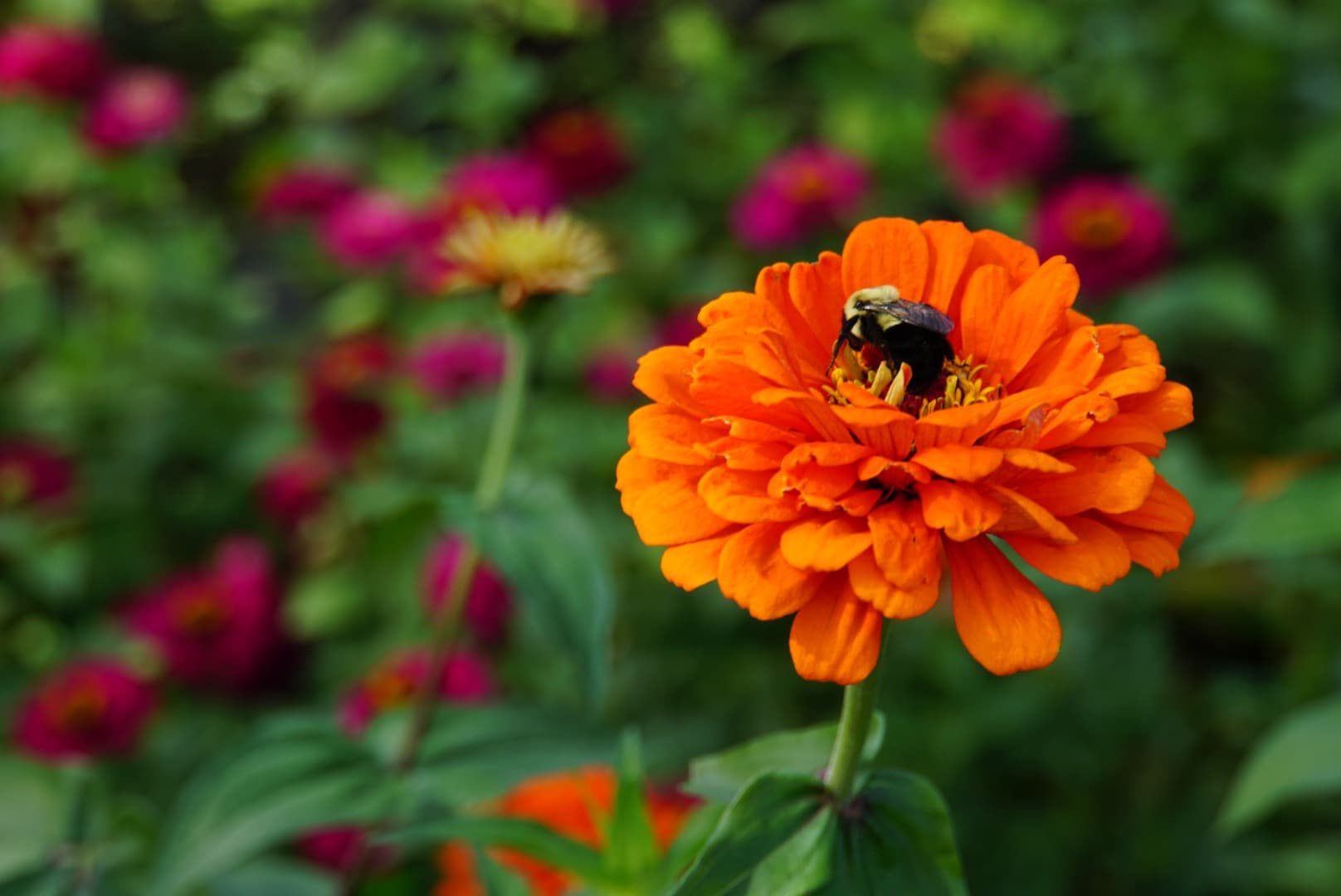
Kingwood, The Livable Forest
By Terry Renfrow
According to kingwood.com, “The ‘Livable Forest’ is a slogan created by the Friendswood Development Company for the Kingwood community. The slogan refers to Kingwood’s large number of trees and harmonious coexistence with nature.” It’s a lovely sounding slogan but we all have work to do if we want to make it true.
If you drive or walk around any of the neighborhoods in Kingwood you will see many examples of beautiful garden landscapes and lush grass. Unfortunately few residents plant indigenous species in their beds, despite the push for native plants by local botanists and conservationists.
In agriculture mono-cropping is a relatively modern practice where a single crop is grown on the same land year after year without rotating to other crops. It seems like a more efficient process for industrial agriculture because you can use the same equipment and processes every year. Mono-crops have many problems though. They attract tons of pests so they require the use of pesticides throughout the growing season. They deplete the soil of important minerals so require the use of fertilizers. The fertilizers encourage all plants to go so mono-crop agriculture ends up needing extensive use of herbicides. All pesticides, fertilizers, and herbicides used in the US and around the world are derived from petroleum distillates.
In the United States it is estimated that around twenty percent of all land is devoted to agricultural croplands. Cristina Milesi, PhD from the University of Montana School of Forestry estimates “there are three times more acres of lawns in the U.S. than irrigated corn” (Nasa.gov).
That means just under 50 million acres of land (a bit bigger than the state of Mississippi) in the U.S. are dedicated to growing a labor and resource intensive crop that is useless for anything other than a stroll and padding the accounts of chemical manufacturers and lawn care professionals.
Mono-cropping is bad enough when it requires we dump hydrocarbons all over our food and in so doing devastate the local plants and wildlife and our soil and water, but when it comes to lawns we don’t even have the benefit of getting food out of it. Very little can live in a modern “properly maintained” yard.
Most homeowners associations have a requirement that lawns be properly maintained. Sometimes there are specifics, sometimes there are not. In either case what they usually mean is that your lawn should be made up solely of St. Augustine or Bermuda. They want it fertilized so it grows, but cut before it seeds. They want the fall leaves that could protect it from frosts and put nutrients back in the soil raked immediately after falling. They want you to use herbicides to eliminate clover and dandelions.
Our grass lawns are not natural spaces. The fortunate thing is that the grasses we use are not invasive. Unfortunately that means maintaining a grassy lawn necessitates the use of massive amounts of chemical-based fertilizers, herbicides, and pesticides. Grass lawns also require prodigious amounts of watering and constant care, including frequent mowing. Clover, on the other hand, does not.
“According to the Environmental Protection Agency, running a lawnmower for one hour emits as much air pollution as driving a typical car 100 miles” (Sciencedaily.com). How much of an impact can you personally make by seeding clover in your yard rather than planting sod, mowing at least half as often because clover stays low to the ground?
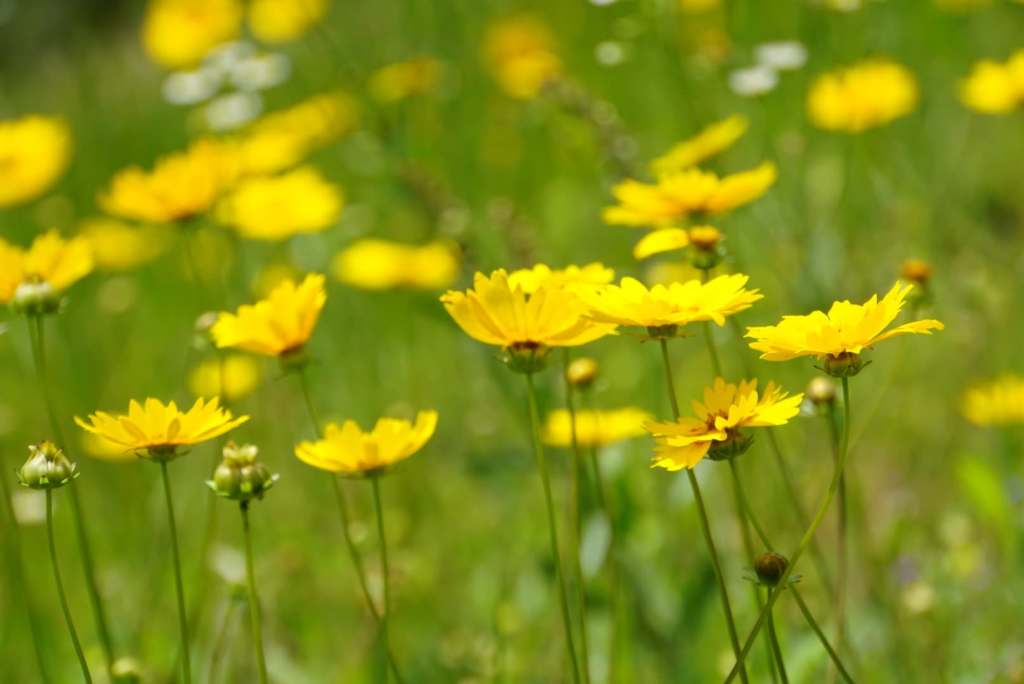
 A truly Livable forest